Exploring the Architectural Marvels of Downtown Dubai
Intro
Dubai's downtown area represents a fascinating tapestry of modernity and tradition, woven together through its remarkable buildings. These structures are not merely architectural feats; they embody the spirit of innovation and economic growth that defines this vibrant city. With iconic silhouettes against the skyline, such as the Burj Khalifa and The Dubai Mall, Dubai's downtown is a hub of activity that attracts tourists, residents, and investors alike.
Understanding the architectural significance, functional roles, and real estate market dynamics of these buildings is crucial for anyone interested in the rapidly evolving landscape of Dubai. Real estate has become a focal point of investment, attracting diverse demographics from all corners of the globe. This analysis aims to provide insights that reveal not just the surface-level appeal of these structures, but also their deeper economic and cultural implications for homeowners, investors, and market analysts alike.
As we explore the towering heights and intricate designs of downtown Dubai’s buildings, we will delve into current trends in real estate and forecast pricing dynamics, alongside the myriad investment opportunities that await savvy investors in this ever-changing urban environment.
Overview of Dubai's Downtown Area
The downtown area of Dubai stands as a vibrant heart of the city, a locale that pulsates with the rhythm of modernity and tradition. This section aims to highlight the critical elements of this area, shedding light on its geographical significance, historical evolution, and the trajectory of its urban development. Understanding Dubai's downtown is not just about appreciating its architectural gems but about comprehending its role in the broader landscape of economic growth and cultural identity in the UAE.
Geographical Boundaries
Dubai's downtown sprawls over a compact yet dynamic patch of land, close to the shimmering waters of the Arabian Gulf. It is strategically positioned, bordered by Sheikh Zayed Road to the northwest, the historic Al Fahidi district to the southeast, and the Dubai Creek to the northeast. Within its confines lies the famous Burj Khalifa, the world's tallest building, alongside the expansive Dubai Mall, drawing millions every year. The area’s thoughtful design promotes accessibility, making it a hub for social and economic activities.
This location is vital; it connects various parts of the city, acting as a bridge for both locals and tourists alike, contributing to the flow of commerce and culture. With its mix of commercial, residential, and recreational spaces, downtown Dubai encapsulates the essence of a global metropolis.
Historical Context
To truly appreciate the downtown area, one must dig into its historical underpinnings. Initially, Dubai was a modest fishing village, primarily reliant on pearl diving and trade. As oil was discovered in the 20th century, the city underwent a dramatic makeover. The early 2000s marked a significant turning point; the then-ruler, Sheikh Mohammed bin Rashid Al Maktoum, envisioned transforming Dubai into a world-class city. This vision birthed the downtown initiative, with plans to develop a vibrant urban center that could attract investment, tourism, and a global workforce.
The blend of modern architecture with traditional influences is a testament to this history. Contemporary buildings often feature designs that nod to the region's heritage, such as the intricate carvings and motifs that adorn various structures, creating a dialogue between the past and the present.
Urban Development Timeline
The evolution of downtown Dubai is a fascinating story of rapid growth and innovative planning.
- Late 1990s: Initial plans emerged, focusing on modern urban environments to house the growing population and economy.
- 2004: The groundbreaking of the Burj Khalifa set the tone for what was to come, symbolizing Dubai’s ambition.
- 2008: The opening of the Dubai Mall solidified the area as a premier destination for shopping and entertainment.
- 2016: The launch of the Dubai Opera further diversified the cultural offerings within downtown, attracting a different audience and enhancing its role as a cultural center.
As plans continue to unfold, the downtown area remains in a state of flux, adapting to the needs of its residents and visitors. Urban planners are keenly focused on sustainability, incorporating green spaces and environmentally friendly practices into development projects. In this sense, London, New York, and Tokyo often serve as references as Dubai strides confidently into the future, pushing the envelope on what urban living can be.
"Downtown Dubai is not merely a collection of buildings; it’s a lifestyle, a culture, and a defining part of what makes Dubai unique."
In summary, the downtown area is a microcosm of Dubai's broader narrative—a city that embraces change while holding onto its rich heritage. Understanding its geographical boundaries, historical context, and developmental timeline sheds light on the essential role this area plays in the city's growth and identity.
Key Architectural Features
The architectural features of Dubai's downtown area don't just define its skyline; they also reflect the cultural aspirations and practical ambitions of this vibrant city. The buildings serve multiple roles, from commercial hubs to artistic expressions, each contributing its own flavor to the overall urban tapestry. In this section, we take a closer look at the essential elements that shape this architectural landscape, delving into contemporary design trends, sustainable practices, and the standout structures that capture global attention.
Contemporary Design Trends
To put it simply, contemporary design in Dubai has a flair for the dramatic. Here, you’ll see that buildings are not just functional; they often project a vision of futuristic elegance. Architects blend traditional Emirati elements with cutting-edge technology, resulting in structures that are both culturally rooted and forward-thinking.
For instance, you might notice the extensive use of glass and steel, which not only creates a striking visual impact but also maximizes natural light, reducing energy consumption. This sort of design is not merely aesthetic; it serves practical purposes, too. The open spaces within buildings contribute to a sense of community.
Elements to note in contemporary design include:
- Utilization of unconventional shapes
- Integration of nature through vertical gardens
- Smart building technology that enhances user experience
Sustainable Architecture
Dubai's ambition to be a leader in sustainable urban development deserves its moment in the spotlight. Many downtown buildings now incorporate eco-friendly materials and designs that minimize carbon footprints. This is not just greenwashing; it’s a genuine effort to marry luxury with responsibility.
A key feature is the implementation of solar panels and reflective glass which reduces the need for artificial lighting and air conditioning. This aligns perfectly with the global push for sustainability, catering to a more environmentally conscious generation. Moreover, initiatives aimed at water conservation are also prevalent, with rainwater harvesting becoming a common practice in new developments.
- Benefits of sustainable architecture include:
- Lower operational costs for building owners
- Enhanced public image for businesses
- Long-term viability and community resilience
Iconic Structures
The downtown area boasts several iconic structures that are not just landmarks but also part of the very identity of Dubai. These buildings often stand as synonymous with the city’s dedication to innovation and progress.
Burj Khalifa
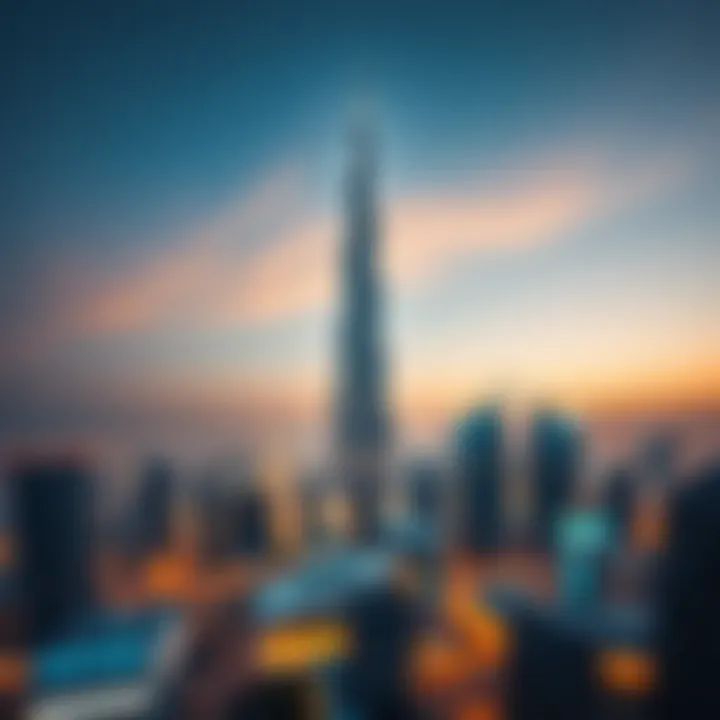
The Burj Khalifa is, without doubt, the crown jewel of Dubai's architectural marvels. Stretching up to the clouds at an astonishing height of 828 meters, it’s a feat of engineering that represents both ambition and achievement. The key characteristic of this structure is not just its height but also its unique design inspired by Islamic architecture. It has become a symbol of the emirate.
The observation decks offer panoramic views of the city, making it a must-visit spot for tourists. However, while its towering presence is visually stunning, it also invites us to ponder sustainability—such height comes with formidable energy demands.
- Advantages:
- Aesthetic appeal attracting millions of tourists
- Economic driver for various businesses nearby
Dubai Mall
Not far from the Burj Khalifa, the Dubai Mall is a shopping leviathan that offers a host of experiences beyond just retail therapy. With over 1,200 shops and various entertainment options, its contribution to downtown’s economy is immense. The mall is not just a collection of stores; it’s a lifestyle destination with an aquarium, an ice rink, and even a fashion avenue.
Moreover, it’s designed to facilitate social interactions. With spacious public areas, it encourages community engagement, making it a vibrant gathering spot.
- Key characteristic:
- Benefits:
- Fusion of commerce and entertainment
- Generates significant foot traffic which supports local vendors
- Acts as a cultural hub showcasing events and exhibitions
Dubai Opera
The Dubai Opera adds an artistic layer to the architectural landscape. Designed to resemble a traditional dhow, this multi-format performing arts center is a stunning blend of culture and modernity. Its purpose is not just to host opera but a variety of performances, from ballets to concerts, making it a cultural cornerstone for the city.
The unique feature of Dubai Opera is its adjustability; it can transform from a theatre to a concert hall. This versatility allows it to cater to a wide range of events, serving as a magnet for arts enthusiasts.
- Advantages include:
- Enhances local cultural scene and promotes tourism
- Provides locals and visitors a space for artistic expression
The architectural feats within Dubai's downtown serve more than their immediate function; they reflect collective aspirations, provide spaces for community interaction, and play crucial roles in the economy. This blend of aesthetics and purpose illustrates precisely why these structures are integral components of the city’s identity.
Real Estate Market Dynamics
The real estate market in Dubai's downtown area is not just a reflection of property prices and sales; it encapsulates the broader economic landscape and lifestyle trends in the region. Analyzing these dynamics provides key insights into how economic activity, cultural shifts, and infrastructure development come together to reshape urban living. The importance of understanding market dynamics cannot be overstated, as it equips potential investors, homeowners, and analysts with information that could prove invaluable in navigating this competitive environment.
Current Market Trends
Recently, Dubai's downtown real estate scene has shown an uptick in interest, primarily driven by post-pandemic recovery trends. Current market dynamics reveal varying prices per square foot that reflect a mixture of luxury living and affordability. Affluence remains a strong indicator, as properties in Burj Khalifa and Dubai Mall command higher premiums, while newer developments in surrounding areas often offer more competitive pricing.
- Increased Demand: Recent data indicates a marked increase in demand for apartments and commercial spaces, primarily among expatriates looking for high-end living options.
- Diversification of Property Types: There’s a noticeable movement toward mixed-use developments, catering not only to residential needs but also welcoming businesses and retail under one roof. A prime example is the Dubai Opera District, which integrates living areas with cultural hubs.
- Technological Innovation: Many new buildings are incorporating smart technologies – intelligent home systems and energy-efficient designs are quickly becoming a norm, attracting a tech-savvy demographic.
Staying informed on these shifts is crucial for making wise investment decisions. The market will likely continue evolving with these trends, pushing both demand and prices upward.
Impact of Tourism
Tourism undeniably plays a pivotal role in shaping the real estate market in downtown Dubai. Millions of visitors flock to the area for its extravagance and cultural offerings. In fact, according to recent studies, approximately 16 million tourists visited Dubai in 2022, contributing significantly to the local economy.
"The influx of tourists not only fills hotels but also raises demand for short-term rentals, thereby pushing property values upward."
- Short-Term Rentals: Platforms like Airbnb have seen extraordinary success, leading many residents to consider short-term letting as a viable income source. Owners of condos around Dubai Mall can fetch premium rates, especially during peak tourism seasons.
- Investment in Infrastructure: With local authorities funneling funds into better transport links, attractions such as Dubai Frame, and natural vistas, the appeal of living in downtown will only increase.
- Cultural Festivals and Events: Events such as the Dubai Shopping Festival or Art Dubai attract not just visitors, but also potential longer-term residents who enjoy a vibrant community life.
Understanding tourism's impact on the local real estate market allows stakeholders to evaluate how fluctuations in visitor numbers can affect their investments.
Investment Opportunities
For investors, downtown Dubai presents a plethora of opportunities that range from luxury condominiums to commercial properties. Here, capital appreciation potential can be staggering if one’s diligent about market movements.
- Luxury Developments: Properties near iconic structures like the Burj Khalifa promise a high return on investment due to the ongoing desirability of luxury living.
- Commercial Real Estate: The growth trend in businesses relocating to or opening in downtown means commercial property occupancy is on the rise, enhancing prospects for those seeking steady rental income.
- Emerging Areas: Keeping an eye on lesser-known neighborhoods adjacent to established hotspots can yield lucrative returns as urban expansion continues. Developments in places like Business Bay can offer hidden gems that are ripe for investment.
In summary, understanding the dynamics of Dubai's real estate market positions investors and buyers to make advantageous decisions, reflecting both current trends and future potential. The combination of tourism, technological advancement, and ongoing urban development provides a rich landscape for growth.
For more in-depth economic forecasts, you can visit Wikipedia’s Economic Forecast or check out local insights by experts on Reddit's Dubai Forums.
The phenomenal growth in Dubai's downtown area promises not only current value but also the lasting importance of staying ahead in a rapidly evolving real estate market.
Regulatory Framework
The regulatory framework in Downtown Dubai fundamentally shapes the real estate landscape. It governs property ownership, sets guidelines for building regulations, and establishes the necessary framework for licensing and approvals. Understanding these components is essential for homebuyers and investors alike, as they navigate the complexities of Dubai's bustling real estate market.
Property Ownership Laws
When it comes to property ownership laws, Dubai has a mix of regulations that cater to both locals and expatriates. Typically, foreign buyers can own property in designated areas called freehold zones. This legal structure encourages investment and brings diverse residents into the property market. However, it’s vital for potential buyers to understand the nuances of ownership, such as collaborative ownership models or leasehold agreements, which might exist in some developments.
In essence:
- Foreigners can have complete ownership in freehold areas.
- Leasehold properties usually involve a long-term lease agreement, often for 99 years.
- Knowledge of the ownership laws ensures that buyers can make informed decisions without hitches down the line.
These laws not only present opportunities but also highlight the necessity for due diligence. Buyers should consider doing comprehensive background checks on the property and the developer to sidestep any potential legal complications.
Building Regulations
Building regulations in Dubai are designed to ensure safety, quality, and sustainability in construction. The Dubai Municipality enforces these standards, which dictate everything from structural integrity to energy efficiency. For instance, developers must adhere to codes that promote environmentally friendly practices, such as energy-conserving designs and materials.
Key elements of building regulations include:
- Compliance with local zoning laws.
- Approval of architectural plans before construction commencement.
- Regular inspections during construction for adherence to safety standards.
This regulatory oversight is crucial for maintaining the reputation of Dubai as a leading global city. It helps avoid shoddy constructions, thus enhancing the overall quality of life for residents.
Licensing and Approvals
Navigating the maze of licensing and approvals can be a daunting task for developers and investors. Before any construction begins, obtaining the proper licenses is imperative. This involves submitting plans to the relevant authorities and ensuring that every aspect is in compliance with local laws and standards.
The licensing process typically includes:
- Application for a building permit, which outlines the project details.
- Approval from various agencies, including those overseeing health, fire safety, and environmental factors.
- Completion of a series of checks before the final occupancy permit is issued.
It's no walk in the park, but this thoroughness is what underpins the safety and functionality of Dubai's iconic skyline. Simplifying the licensing experience can lead to smoother project executions, thus enhancing opportunities for investors to capitalize on the growing demand for real estate.
"Understanding the regulatory framework isn't just a formality; it’s the foundation of a successful real estate venture in Downtown Dubai."


Overall, grasping the regulatory landscape is instrumental for anyone considering entering the property market in this vibrant city. The laws are put in place not only to protect investments but also to foster a sustainable urban development that prioritizes community and aesthetics.
Cultural Significance of Downtown Buildings
The downtown buildings of Dubai are more than just structures. They embody the city's spirit and aspirations. Each building tells a unique story that reflects cultural values and the city's rapid evolution. This section explains how architecture in downtown Dubai serves as a canvas for social aspirations while contributing to the overall identity of the city.
Architectural Symbolism
In Dubai, architectural designs often symbolize progress and innovation. The Burj Khalifa stands tall, not just as the world’s tallest building, but as a representation of Dubai’s ambition to be a global hub. Likewise, the smooth curves of the Dubai Opera echo the waves of the sea, hinting at the city’s historical ties to trade and maritime culture. Each design choice often carries deeper meanings:
- Burj Khalifa: It symbolizes the heights of human achievement.
- Dubai Mall: More than a shopping destination, it embodies opulence and consumer culture.
- Dubai Opera: It shows the city's commitment to art and culture.
These architectural feats are like trophies that showcase Dubai's rapid development and desire to stand out on the world stage.
Contribution to Local Identity
Buildings in downtown Dubai do not merely serve practical purposes. They play an essential role in crystallizing the local identity. The unique fusion of modernity and tradition allows residents and visitors to engage with the city differently. Take a stroll around the Dubai Fountain at the base of the Burj Khalifa; it’s not just about aesthetics, but quite a gathering spot for families and friends to come together. This contributes to a sense of belonging among the locals.
- Cultural Events: Many buildings host festivals and local celebrations, strengthening community ties.
- Art Installations: Buildings like the Dubai Design District promote local artists by providing a platform for their work.
- Public Accessibility: The integration of community spaces in high-rise buildings fosters social interactions.
Through such contributions, downtown buildings help residents connect with their identity, providing a narrative as rich as the desert landscape that surrounds them.
Community Spaces
Modern urban planning prioritizes not just buildings, but the spaces around them. Community-oriented designs give life to these structures, evolving them beyond isolated entities. Parks, plazas, and art installations breathe life into the downtown area.
- Green Spaces: While surrounded by glass and steel, parks like Al Wasl Park offer a patch of greenery where people can unwind and relax.
- Public Plazas: Spaces like Souk Al Bahar not only serve as retail zones but as lively spots for gatherings, boasting stunning views of the fountain shows.
'Community spaces transform concrete jungles into vibrant neighborhoods where life flourishes.'
These integration efforts foster a feeling of unity, allowing both residents and tourists to engage and interact, making the downtown area a melting pot of cultures and experiences.
In summary, the cultural significance of downtown buildings in Dubai can be seen through their architectural symbolism, contributions to local identity, and the community spaces they engender. Each element weaves a complex narrative that enriches the urban landscape of this remarkable city.
Future Developments in Downtown Dubai
The pursuit of growth and innovation is ever-present in Dubai, and the downtown area stands at the forefront of this transformative wave. As the skyline gets ever taller and more intricate, future developments are set to redefine both the aesthetic and functional landscape of this vibrant metropolis. Understanding these changes is crucial for potential homeowners, investors, analysts, and urban planners who wish to grasp what lies ahead in one of the world’s most dynamic real estate markets.
Upcoming Projects
Several exciting projects are on the horizon in Downtown Dubai that promise to enhance its status as a global hub. These include a blend of residential, commercial, and recreational spaces, each designed to cater to both locals and international visitors.
- Dubai Creek Tower: Set to surpass the height of the Burj Khalifa, this structure will become an emblem of architectural ambition.
- The Dubai Mall Expansion: Plans are in place to add new attractions, retail spaces, and leisure facilities, making it a more comprehensive destination for entertainment.
- Downtown Dubai Canal: This upcoming waterfront project aims to integrate vibrant leisure opportunities with residential options, enhancing the area's appeal.
Investors should pay attention to these projects as they represent significant opportunities for capital growth and future rental income, greatly influencing the market dynamics within the downtown area.
Vision for Smart Cities
With advancements in technology, Dubai aims to position itself at the cutting edge of urban living by embracing the concept of smart cities. This vision encompasses an integrated approach, utilizing technology to enhance the quality of life within the city while also improving operational efficiency.
- IoT Integration: Internet of Things will be woven into building management systems, facilitating everything from energy efficiency to enhanced security measures.
- Transportation Innovations: Future designs include revising transportation networks, implementing autonomous vehicles, and expanding metro lines to reduce congestion and promote seamless connectivity.
- Sustainability Initiatives: The city is adopting eco-friendly solutions such as solar energy and green roofs, which dovetails perfectly with the aspirations of modern urban dwellers who value sustainability.
Ultimately, the smart city approach in Dubai’s downtown builds a roadmap for similar developments across the globe, as cities increasingly seek to balance growth with livability and environmental stewardship.
Trends in Urban Planning
As new buildings rise and existing structures undergo renovation, current trends in urban planning reveal key insights into the future of downtown Dubai. These trends indicate a shift towards creating inclusive, multifunctional spaces that prioritize community interaction and accessibility.
- Mixed-Use Developments: There’s a growing focus on creating spaces where residential, commercial, and recreational areas coexist, enhancing the urban experience.
- Green Spaces: Incorporating parks, plazas, and communal areas into design plans highlights the importance of nature in urban contexts, promoting health and well-being among residents.
- Cultural Integration: New projects increasingly consider how architecture can reflect cultural heritage while also supporting modern living. This could mean more community-centric designs that foster collaboration and cultural exchange.
The evolution of Downtown Dubai is a reflection of broader trends in urban development, where the need for adaptability and resilience in city design has become paramount. As these developments take place, those involved in the real estate sector must remain vigilant and engaged to fully understand how these changes will impact the market.