
Al Zarooni Building: Bur Dubai's Architectural Icon

Intro
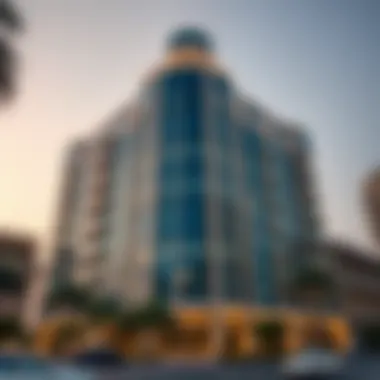
The Al Zarooni Building stands as an impressive emblem of modern architecture in Bur Dubai. Nestled amongst a harmonious mix of old heritage and new progress, this iconic structure symbolizes the resounding echoes of Dubai's growth story. Its architectural design commands attention, blending contemporary aesthetics with the practical needs of urban living. Neither is it just a building; it's a landmark that embodies the spirit of a transformative era for the city.
As this article unfolds, we will delve into the layers that create the Al Zarooni Building's significance. From its historical backdrop to its present-day relevance, we aim to create a lucid picture of how this building interacts with the pulse of the bustling Bur Dubai neighborhood. We'll analyze not just the structure's architectural merits but also explore the larger implications it holds in the dynamics of the local real estate market and its potential as an investment opportunity.
As we venture deeper, we will spotlight current trends in Dubai's real estate landscape and examine price dynamics along with forecasts. The focus will then shift to investment opportunities, shedding light on high-return investments and emerging neighborhoods that attract expatriates from all corners of the globe. Together, these discussions will strive to convey a robust narrative about the Al Zarooni Building and its integral role in Bur Dubai's ongoing evolution.
Prelims to Al Zarooni Building
The Al Zarooni Building stands as more than just a structure in Bur Dubai; it embodies the region’s evolving architectural narrative. Situated in a district bustling with culture and history, this edifice captivates visitors and locals alike, becoming a reference point for discussions about urban development in Dubai. In this introductory section, we will highlight the significance of the Al Zarooni Building, as well as provide a broader context of its surroundings within Bur Dubai.
Overview of Bur Dubai
Bur Dubai is essentially the heart of Dubai’s rich history and a hub for commercial and residential activity. Nestled along the southern side of the Dubai Creek, the area boasts an eclectic mix of traditional and modern architecture that tells a tale of transition and growth. Here, ancient wind-tower architecture stands alongside contemporary skyscrapers, providing a vivid contrast that attests to Dubai’s rapid transformation over the past few decades.
The narrow streets lined with shops and cafes introduce visitors to a flavor of genuine Emirati culture. Key attractions such as the Dubai Museum, the historic Al Fahidi Neighborhood, and vibrant souks make Bur Dubai a focal point for tourists and locals alike.
With excellent connectivity, this area is easily accessed via the Dubai Metro, offering seamless transport links to various city landmarks. The continuous influx of population, both local and expatriate, shapes the landscape, creating a unique tapestry of diversity. Given its historical background and ongoing urban development, Al Zarooni Building plays a pivotal role in determining how Bur Dubai's architectural identity is perceived.
Significance of the Al Zarooni Building
The Al Zarooni Building is not only important for its physical presence but also for what it represents. Constructed to serve mixed-use purposes, it is intelligently positioned to cater to both residential and commercial needs, reflecting the lifestyle of urban Dubai. It symbolizes resilience, modernization, and community synergy.
This building serves as a microcosm of Bur Dubai's larger narrative—an intersection of the old and new, illustrating how Dubai balances rapid growth with the preservation of heritage. Its design integrates local elements and contemporary features, creating a stylish yet functional space that enhances its surroundings.
Furthermore, the Al Zarooni Building is designed to meet modern sustainability standards. This attention to eco-friendliness not only improves living and working conditions for its occupants but also resonates deeply with today’s emphasis on responsible urban development.
By embodying the essence of Bur Dubai, the Al Zarooni Building contributes significantly to the city's architectural harmony, making it a beacon for investors, homebuyers, and analysts alike.
Architectural Design
The architectural design of the Al Zarooni Building stands as a monument to both artistic ambition and functional necessity. As the skyline of Bur Dubai evolves, this landmark not only adds to the aesthetic dimension but also serves as a reminder of the city's rich architectural dialogue. It is crucial to delve into the various components that give this structure its unique identity, not just as a piece of architecture but as a pivotal element in the urban tapestry.
Style and Features
When one gazes upon the Al Zarooni Building, the initial impression is often defined by its striking modernist lines that gently hint at traditional Middle Eastern motifs. The facade is adorned with geometric patterns that invite reflection, echoing the intricate artistry found in regional heritage while maintaining a contemporary flair.
Notably, features such as large glazed windows not only serve aesthetic purposes but also strategically enhance the building’s energy efficiency, as sunlight pours in during the daytime. This seamless blend of functionality and style makes it a textbook example of modern sustainable architecture, an aspect that resonates well with today's environmentally conscious consumers.
"In architectural design, blending the new with the traditional can evoke strong sentiments and instill a sense of place."
Construction Materials Used
One cannot overlook the importance of construction materials in shaping Al Zarooni Building’s identity. Crafted primarily from reinforced concrete and high-grade steel, the building showcases durability and structural integrity essential for high-rise buildings in regions prone to extreme weather and seismic activity. The choice of materials reflects an intention towards longevity, indicating that this building is not just a temporary asset but a lasting presence in Bur Dubai.
Additionally, the use of locally sourced materials pays homage to the culture and reduces carbon footprint associated with transportation. The combination of modern materials with local craftsmanship allows for an integrated approach, ensuring the building resonates with its cultural environment.
Innovative Engineering Aspects
One cannot eschew the innovative engineering aspects that define the Al Zarooni Building’s construction. Integrating smart technology into the architectural framework sets a new benchmark for how buildings can operate efficiently. Features such as intelligent climate control systems not only enhance comfort for occupants but also minimize energy waste, showcasing a responsible approach towards modern living.
Furthermore, its unique structural design encompasses advanced seismic-resistant technologies, ensuring safety in a metropolitan area where such considerations are paramount. Engineers have employed sophisticated methods to optimize wind resistance, allowing the building to sway gently without compromising stability. This level of foresight in engineering, coupled with architecturally aesthetic design, ensures that the Al Zarooni Building remains a reliable and safe residence or commercial hub.
In sum, the architectural design of the Al Zarooni Building is a perfect example of how contemporary styles can resonate with traditional elements while incorporating cutting-edge engineering and sustainable practices. Its blend of beauty, functionality, and innovation not only enhances the skyline of Bur Dubai but also enriches the lives of those who inhabit it.
Historical Context
Understanding the historical context of the Al Zarooni Building is crucial for grasping its significance in both Bur Dubai's urban landscape and the broader narrative of Dubai's development. This structure is not merely a collection of steel and concrete; it embodies the ambitions, cultural shifts, and social dynamics that have shaped this city. The building stands as a testament to the rapid transformation Dubai has undergone over the decades, moving from a modest trading port to a global hub.
Development Timeline
The timeline of the Al Zarooni Building's development provides insight into the architectural evolution in Bur Dubai. The conception of the building serves as a marker of investment and strategic planning during a time when Dubai was laying the groundwork for its future.
- Early 2000s: Initial discussions about the project begin amidst Dubai's expansive development phase, characterized by a focus on high-rise buildings and modern infrastructure.
- 2005: Construction officially commences. This period marks a significant shift in architectural possibilities, where builders embrace new technologies and designs that reflect luxury and innovation.
- 2007: The building reaches its final heights, symbolizing not just a business hub but also a residential space that bridges cultures and communities.
- 2008: Completion of the building. Inauguration ceremonies highlight its symbolic role in the urban landscape.
The Al Zarooni Building's construction did not just enhance the skyline; it marked the onset of deeper economic ties and greater population influx, which continues to prosper today.
Cultural Significance in Dubai
Al Zarooni's architectural presence extends beyond its aesthetic value. The building plays a pivotal role in the cultural tapestry of the region. It exhibits the fusion of modern designs with traditional aspects, appealing to a diverse demographic.
- Symbol of Unity: As a mixed-use space, it fosters interactions among residents, expatriates, and visitors, reinforcing Dubai's intent to serve as a cosmopolitan city.
- Anchor for Local Business: The commercial spaces within the Al Zarooni Building have become vital economic nodes, encouraging small business growth and providing employment opportunities, thereby strengthening local economies.
- Cultural Events and Gatherings: It also serves as a venue for various cultural exchanges, promoting art and community activities. The building's location ensures that it is accessible for local festivals and exhibitions, making it a focal point for community engagement.
As Bur Dubai continues to evolve, structures like the Al Zarooni Building capture the spirit of the city’s ambitions, serving as a bridge connecting various cultures, economies, and histories.
The Al Zarooni Building stands not just as an architectural feat but as a vibrant emblem of Dubai's ongoing journey towards modernity and multicultural integration.
Location and Connectivity
The Location and Connectivity of the Al Zarooni Building plays a pivotal role in defining its significance within Bur Dubai. Proximity to various amenities, public transport options, and surrounding neighborhoods enhances its appeal, making it desirable for both residents and investors. Nestled in a vibrant community, the Al Zarooni Building stands as a testament to modern architecture, while also serving as a link to the rich heritage of Dubai.
Surrounding Neighborhoods
The Al Zarooni Building is strategically positioned amidst several bustling neighborhoods, each contributing unique characteristics to the overall atmosphere of the area.
- Al Fahidi provides a glimpse into Dubai's past, with its narrow lanes and preserved buildings; it’s a cultural hotspot.
- Satwa showcases a diverse mix of cultures, where you'll find lively markets and eateries, tempting those who love to explore different cuisines.
- BurJuman is known for its shopping options and is just a stone’s throw away, making retail therapy wonderfully accessible.
This variety of neighborhoods around the Al Zarooni Building allows residents to enjoy both peaceful retreats and dynamic city life. It fosters a sense of community while ensuring convenience for daily needs and leisure activities. The proximity to both traditional and modern elements enhances the desirability of the building, making it a sought-after address in Bur Dubai.
Accessibility Options
When it comes to connectivity, the Al Zarooni Building does not fall short. The location is well-served by various transportation modes that can whisk residents and visitors alike to different parts of Dubai with ease.
- Metro Services: The nearest metro station is just a short walk away, making it easy to navigate the city without a car. This feature particularly appeals to expatriates and younger residents who prefer public transport to avoid the hassle of traffic.
- Bus Networks: Numerous bus routes run through the area, providing economical and flexible options for reaching local amenities and further neighborhoods.
- Road Access: Major highways like Sheikh Zayed Road and Al Khail Road are easily accessible, connecting Bur Dubai to key business districts and attractions. This means that a quick drive to areas like Jumeirah or Downtown Dubai is feasible, allowing for both work and recreation outside the building.
- Parking Facilities: For those who do prefer driving, ample parking space is available around the Al Zarooni Building, ensuring that both residents and visitors have easy access to this architectural landmark.
In summary, the Location and Connectivity of the Al Zarooni Building not only enhances its stature as a prime real estate choice in Bur Dubai but also integrates it seamlessly with the urban fabric of this vibrant city. The blend of cultural richness surrounding it along with the modern transport options available makes living here a well-rounded experience.
Current Usage and Tenancy
The usage and tenancy of the Al Zarooni Building stands as a cornerstone for understanding its role within Bur Dubai's vibrant urban scene. It's a reflection of how the building integrates with both the community it serves and the overarching economic trends of the area, impacting residents and investors alike.
Residential vs Commercial Use


In the Al Zarooni Building, the blend of residential and commercial spaces creates a unique atmosphere of activity and livability. On the residential side, apartments cater primarily to a mix of locals and expatriates. The residences offer a variety of layouts. From cozy one-bedroom apartments to spacious three-bedroom units, there’s something for every taste and budget. This aspect is vital as it attracts a wide array of inhabitants who can bring diversity to the community.
On the commercial front, the ground floors host shops, offices, and service-oriented businesses. This arrangement not only draws foot traffic but also contributes to the convenience of residents living above. Businesses ranging from pharmacies to coffee shops provide needed services, making it a self-sustained environment.
- Benefits of this mixed-use setup include flexibility for inhabitants.
- Considerations include the potential noise factors from commercial activities during peak hours.
Overall, the equilibrium between residential and commercial use presents a lifeline for sustained engagement and economic activity within the Al Zarooni Building.
Demographics of Inhabitants
The demographic profile of those who call Al Zarooni Building home reflects the cosmopolitan nature of Dubai itself. While it wouldn’t be wrong to say that this skyscraper attracts a variety, the predominant groups include young professionals, families, and expatriates mainly from South Asia, Europe, and North Africa.
A closer look reveals that:
- Age Group: While the residents range from young adults in their 20s to retirees, the majority fall within the 25 to 40 age bracket, seeking a lively yet comfortable environment.
- Occupational Background: Many inhabitants work in diverse sectors such as finance, IT, hospitality, and healthcare, lending unique perspectives and lifestyles to the community.
- Cultural Factors: The rich mix of cultures found here contributes to community events and social gatherings, creating a familiar environment both for newcomers and long-term residents. The presence of local markets and international eateries amplifies the cultural experience.
Understanding the demographics offers valuable insights for potential investors and business owners looking to tap into this growing market. It showcases not only who lives there but hints at lifestyle preferences and consumer behaviors as well.
"Residential and commercial coherence within Al Zarooni Building provides a cohesive community vital for Dubai’s dynamic evolution."
By keeping abreast of these aspects regarding usage and tenancy, one can garner a thorough appreciation of the Al Zarooni Building's significance, thus cementing its place within the landscape of Bur Dubai.
Investment Potential
When discussing the Al Zarooni Building, understanding its investment potential becomes crucial. This structure stands not only as a piece of architectural excellence but also as a beacon for those looking to navigate the intricate pathways of Dubai’s real estate market. Investors, homebuyers, and analysts alike often seek properties that promise solid returns, and the Al Zarooni Building offers just that.
Market Trends in Bur Dubai
Recent market analysis shows an upward trend in property values within Bur Dubai. Factors influencing this growth include the area's ongoing development and urban renewal initiatives. The influx of expatriates has also increased demand for residential and commercial spaces.
- Growing Expat Community: There is a continuing surge in population with many professionals relocating to Dubai for work. This demographic shift drives the demand for housing, particularly in well-established neighborhoods like Bur Dubai.
- Dubai’s Vision: With the Emirate's ambitious plans outlined in various development strategies, such as the Dubai 2040 Urban Master Plan, there’s an expectation for considerable long-term growth in property values.
- Tourism Boost: The increase in tourism, coupled with international events and exhibitions, continually enhances attractiveness for investors. Bur Dubai remains a focal point due to its cultural significance and accessibility.
In light of these trends, the Al Zarooni Building is well positioned to take advantage of the rising tide, compelling potential investors to consider its unique offerings.
Comparison with Other Properties
Evaluating the investment viability of the Al Zarooni Building against similar properties in the vicinity reveals a wealth of nuances. While other buildings in Bur Dubai may offer competitive pricing, they often lack the same blend of historical significance and modern amenities.
Key Comparisons:
- Price per Square Foot: The Al Zarooni Building's pricing often reflects its premium location and unique architectural features, whereas other properties may be more cost-effective but do not yield the same prestige.
- Amenities and Services: Many buildings may offer generic amenities; however, the Al Zarooni Building boasts unique features that cater to a discerning clientele. This can create desirability and aspirational living.
- Historical Value: Unlike many newly constructed properties that might lack character, the Al Zarooni Building carries a historical weight. It appeals to buyers who prioritize heritage alongside contemporary living.
Overall, investing in the Al Zarooni Building not only means acquiring property but also becoming part of Bur Dubai's evolving narrative of urban sophistication.
"As Bur Dubai continues to thrive, the Al Zarooni Building stands as a testament to the area’s enduring charm and investment potential."
For those contemplating entering the market, keeping a watchful eye on such investment opportunities might very well yield substantial rewards.
Legal Considerations
Understanding the legal framework surrounding real estate in Dubai is crucial for anyone looking to invest in properties like the Al Zarooni Building. This section outlines the specific elements of property laws and regulations governing both local residents and expatriates, giving potential buyers and investors a firm grasp on what to expect.
Property Laws in Dubai
Property laws in Dubai offer a unique blend of stability and complexity. The legal landscape has rapidly evolved, aiming to attract foreign investment while protecting local interests. Here are some key points to consider:
- Freehold Ownership: In certain designated areas, expatriates can own property outright. This right to freehold ownership has opened up avenues for foreign investors, incentivizing them to consider properties like the Al Zarooni Building.
- Leasehold Arrangements: Not all properties are available for outright ownership. In many cases, expatriates can enter into leasehold agreements, typically lasting up to 99 years. Understanding the nuances between leasehold and freehold is imperative for potential investors.
- Registration and Fees: Any property transaction must be registered with the Dubai Land Department. It's essential for buyers to be aware of the associated fees, which can include transfer fees, registration fees, and additional charges for legal services.
- Property Title Deeds: Obtaining proper title deeds is foundational. This document proves ownership and must be handled with care to avoid any legal disputes down the line.
Benefits of Understanding Property Laws
Grasping the local property laws not only mitigates risks but also enhances investment potential. Awareness of these laws ensures that investors take advantage of legal rights available to them while complying with local regulations.
Regulations for Expatriates
For expatriates, understanding the regulatory environment brings several benefits and considerations:
- Investment Zones: Many areas in Dubai are designated as freehold zones, where expatriates can purchase properties. Knowing these zones can guide investors to lucrative opportunities.
- Rights and Responsibilities: Expatriates must be informed about their rights as property owners. This includes regulations on leasing property, maintenance responsibilities, and potential sufficiencies of rental income.
- Residency Requirements: Owning property in Dubai can also have implications for residency. Investors may be eligible for residence visas based on property investments, making this an attractive feature for many.
- Compliance Obligations: Expatriates are subject to various compliance obligations, such as adhering to local laws and paying any applicable taxes. Failure to comply can lead to legal repercussions or loss of property.
To encapsulate it in a broader context, understanding these regulations not only empowers expatriate investors but also fortifies the overall reputation of Dubai’s thriving real estate market. As Dubai continues to develop and evolve, being informed is not merely an asset— it’s a necessity.
"Investing in Dubai's property market is not just about the physical space but navigating the rules of the game."
By familiarizing oneself with these legal considerations, future buyers or tenants of the Al Zarooni Building can navigate the complexities and make informed, confident decisions—enhancing their experience and potential success in Bur Dubai's dynamic landscape.
Future Development Plans
Future development plans for the Al Zarooni Building are not just a set of guidelines; they reflect a broader vision for Bur Dubai and its evolution within the bustling landscape of the city. The importance of these plans lies in their potential to reshape the socio-economic fabric of the area, enhancing both commercial and residential opportunities.
Urban Development Strategies
Urban planning encapsulates a wide array of strategies aimed at addressing the pressing needs of a growing population. From an architectural perspective, the Al Zarooni Building stands as a focal point within a framework of urban strategies that prioritize sustainable development and cultural integration.
- Mixed-Use Developments: By incorporating both residential and commercial spaces, the Al Zarooni Building becomes a central player in the mixed-use approach, providing convenience not just for its occupants but also for the surrounding community. This strategy is particularly beneficial as it reduces travel distance, making daily life more manageable for residents.
- Public Amenities: Future plans often include the development of parks, community centers, and retail spaces in proximity to the Al Zarooni Building. Such amenities help create a vibrant environment that promotes social interaction and community engagement.
- Transportation Networks: Consideration for accessibility is pivotal in future development plans. Enhancements to existing public transport options, such as metro and bus services, would be critical in easing connectivity challenges. The strategic location of the Al Zarooni Building allows it to benefit from improved transportation initiatives, subsequently drawing in more visitors and potential residents.
- Sustainability Initiatives: With eco-friendly practices taking center stage globally, the plans for Al Zarooni include the use of renewable energy sources, waste management systems, and green building certifications. This commitment not only embodies a forward-thinking approach but also aligns with Dubai’s ambitions toward sustainable urban growth.
Impact on the Real Estate Market
The projected developments around the Al Zarooni Building are set to create ripples in the real estate market. With the planned enhancements, investors will find a lucrative environment ripe with possibilities.
- Increased Property Values: As amenities and infrastructure improve, property values in the vicinity are likely to see a surge. Investors could expect a significant return on investment as the area becomes increasingly desirable.
- Attraction of Diverse Demographics: Improvements and strategic developments may also attract a wider range of demographics. This includes families seeking quality living spaces as well as young professionals and expatriates looking for a vibrant community.
- Long-Term Investment Stability: Amidst ongoing developments, properties in Bur Dubai, particularly those near the Al Zarooni Building, may experience heightened market stability. Investors often look for areas with continued growth potential, and the current plans emphasize a robust future.
These factors underline the importance of monitoring the Al Zarooni Building's future trajectory as Bur Dubai continues to mature as a center for urban life. The synergy between thoughtful development strategies and the evolving real estate market ensures that the significance of the area will only continue to rise in the coming years.
Epilogue
The Al Zarooni Building stands not just as a structure but as a symbol of the dynamic evolution in Bur Dubai's architectural landscape. Understanding its significance is paramount for anyone looking to delve into the nuances of Dubai's real estate market, especially considering the intricate interplay between history, culture, and modernity that this building represents.
Recap of Main Points
Throughout this exploration, several critical elements have been highlighted:
- Architectural Significance: The design embodies a blend of traditional and contemporary styles.
- Cultural Context: The building reflects the rich heritage of Bur Dubai while incorporating modern amenities.
- Investment Opportunities: Its strategic location presents valuable insights for potential investors and homebuyers, particularly in a rapidly developing area.
- Legal Framework: Awareness of property laws and regulations governing expatriates is vital for understanding ownership potential.
- Future Prospects: With ongoing urban development strategies, the Al Zarooni Building is set to gain even more relevance in the real estate market.
The integration of these points provides a comprehensive view of not only the building itself but also its role in shaping the community around it.
Final Thoughts on Al Zarooni Building
In the grand narrative of Dubai's transformation, the Al Zarooni Building occupies a crucial space, serving as a reminder of the past while looking firmly towards the future. For homebuyers and investors, this building is more than mere bricks and mortar; it embodies the essence of a thriving community. The careful attention to its architectural design and the thoughtful strategies for future readiness make it a worthwhile consideration for anyone looking to invest in Bur Dubai.
As Dubai continues to evolve, the legacy of the Al Zarooni Building will likely endure, making a lasting impact on both its residents and the overall skyline of this vibrant city. Its importance cannot be overstated, as it not only influences the neighborhood's character but also serves as a marker of the ongoing development mindset that defines Dubai today.