Exploring Al Fahad Tower 1's Architectural Impact
Intro
Al Fahad Tower 1 is more than just another high-rise building in the bustling landscape of Dubai; it stands as a testament to the city’s relentless pursuit of architectural excellence and economic vitality. Located in the heart of this vibrant metropolis, the tower's design marries modern aesthetics with cultural significance, reflecting Dubai’s rapid modernization while honoring its rich history.
As we dive into the analysis of Al Fahad Tower 1, it’s essential to consider the broader context of Dubai's real estate market. The city has become a magnet for foreign investment, and structures like Al Fahad Tower play a crucial role in its growth narrative. The way the tower interacts with its environment—both architecturally and economically—provides a lens through which we can understand the dynamics at play in one of the world’s most dynamic real estate markets.
Before we explore the architectural nuances and investment appeals of Al Fahad Tower 1, it's vital to address the current market trends and how they set the stage for such monumental developments.
Foreword to Al Fahad Tower
Al Fahad Tower 1 stands as an emblem of architectural ambition, seamlessly blending modern aesthetics with functional design. Located in the bustling heart of Dubai, this tower is not just a structural marvel but also a significant player in the economic arena of the city. The importance of the tower is underscored by its multifaceted roles within residential and commercial landscapes.
From an architectural perspective, it exemplifies contemporary styles while embracing sustainability—an essential consideration for modern structures in increasingly climate-aware markets. Notably, Al Fahad Tower 1 represents a shift towards buildings that prioritize their surroundings and inhabitants alike.
Economic and Investment Significance
On the economic front, the tower is strategically positioned to attract a diverse range of buyers and investors, thus enhancing its relevance in Dubai's ever-evolving real estate market. Its appeal is not limited to aesthetics but extends to financial viability, evidenced by competitive rental yields and the potential for property value appreciation.
Furthermore, the tower contributes to the local economy by creating jobs during and after construction. This economic influence echoes through various sectors, including retail and hospitality, providing a ripple effect that enriches the community.
Integration in Urban Landscape
Moreover, Al Fahad Tower 1 is more than just a building; it's a statement of Dubai's ambition. It is part of a larger narrative about urbanization and modern living. Located near crucial transport links and essential services, it enhances accessibility and livability, making it attractive for both expatriates and locals. The surrounding environment is progressively shaped by developments like these, which are indicative of evolving lifestyle trends in urban centers.
"Al Fahad Tower 1 doesn’t merely touch the skyline; it influences the socio-economic fabric of its surroundings. Its design and purposeful integration with the urban ecosystem make it a noteworthy case study for real estate professionals and city planners alike."
In summary, understanding Al Fahad Tower 1 is key to grasping the intricate interplay between architecture and economic development in modern Dubai. Its unique combination of design innovation and economic impact serves as a catalyst for further developments in the city, marking it as a pivotal reference point in architectural discussions.
Design and Architecture
The significance of design and architecture in the context of Al Fahad Tower 1 cannot be overstated. This stellar structure is not just a building; it's a representation of Dubai's modern narrative—a narrative where aesthetics and functionality dance in harmonious unity. Understanding its design and architectural details reveals much about how contemporary urban spaces evolve and the substantial impact on lifestyle, investment, and city identity.
Architectural Style
Contemporary Elements
Contemporary elements feature prominently in Al Fahad Tower 1’s overall design, presenting a striking facade that marries visual appeal with purpose. One of the key characteristics of these elements is the use of sleek lines and innovative materials that encapsulate the essence of modern architecture. This style fosters an image of progress, making it an ideal choice in a city that thrives on ambition and forward-thinking.
A unique aspect of contemporary design in this tower is its emphasis on open spaces and natural lighting. Large glass windows not only invite the sunlight in but also create a visual connection to the surrounding environment, promoting a feeling of openness and clarity. However, one must also consider the challenges of energy efficiency and glare management that can arise from extensive glass usage.
Sustainable Features
Sustainability is becoming a non-negotiable element in modern architecture, and Al Fahad Tower 1 exemplifies that commitment. Featuring green roof systems and water-efficient landscaping, the project showcases an approach that considers environmental impact as much as human experience. One of the standout characteristics is the incorporation of energy-efficient systems that reduce the reliance on non-renewable resources, significantly lowering operational costs for residents and businesses alike.
A notable feature is the building's commitment to LEED (Leadership in Energy and Environmental Design) certification standards, offering a clear competitive edge in the market. On the flip side, maintaining these features can involve higher initial costs and complex planning, which may deter some investors.
Structural Innovations
Structural innovations in Al Fahad Tower 1 are as fascinating as they are essential. The tower uses advanced construction techniques that enhance safety and durability while allowing for creative architectural expression. A prominent characteristic of these innovations is the utilization of high-strength materials that provide both stability and flexibility.
What sets this structure apart is the integration of smart technology into its core, from automatic shading systems to energy management setups that optimize performance. This tech-savvy approach not only appeals to the modern tenant but also offers long-term economic advantages. Nevertheless, the reliance on sophisticated technology necessitates ongoing maintenance and expertise, which can be a hurdle for some management companies.
Interior Specifications
Common Areas
The common areas in Al Fahad Tower 1 serve as communal hubs, enhancing the overall living experience through thoughtful design and functionality. A key trait of these spaces is the blend of aesthetic and practical elements, such as lounges and collaborative workspaces that encourage social interaction while providing comfort.
The unique feature of these common areas is their multifunctionality; they can easily transition from casual meeting spots to chic event locations. By promoting a sense of community among residents, these spaces contribute positively to tenant satisfaction. Yet, careful planning is required to avoid overcrowding during peak usage, which could diminish the intended experience.
Residential Units
Residential units in Al Fahad Tower 1 are designed with the modern resident in mind, offering an assortment of layouts and stylish finishes. The uniqueness of these units lies in their open-plan designs, which maximize space utilization and promote a lifestyle of ease and fluidity. Large balconies also provide outdoor extensions of living areas, inviting residents to enjoy the stunning Dubai skyline from the comfort of their homes.
These units not only cater to aesthetic preferences but also emphasize ease of living with smart home features for enhanced convenience. That said, the demand for these bigger, bolder units can drive higher prices, potentially limiting accessibility for some buyers in the market.
Office Spaces
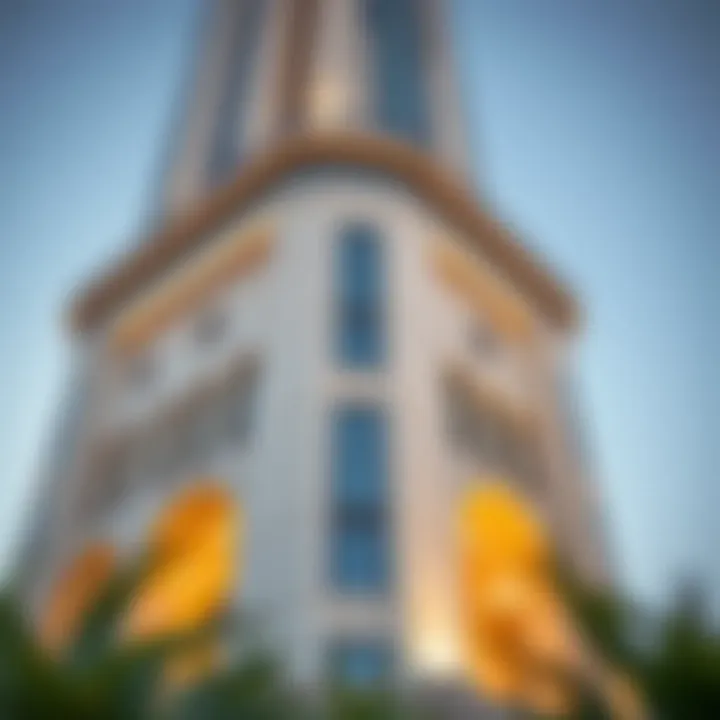
Office spaces within Al Fahad Tower 1 have been meticulously crafted to foster productivity and innovation. The adaptable floor plans allow businesses to customize their environment to suit their needs, a crucial feature in today’s dynamic work landscape. A defining characteristic of these spaces is sound-proofing and advanced technology installations that facilitate seamless communication and collaboration.
This flexibility in office design is a strong selling point for businesses looking to establish themselves in a prime location. However, securing adequate parking and transport links remains a crucial consideration, as accessibility can make or break an office's attractiveness to prospective tenants.
Historical Context
Understanding the historical context of Al Fahad Tower 1 provides essential insights into its significance within modern Dubai and the broader UAE narrative. This part of the article sheds light on the tower's inception and its journey from concept to completion. By delineating the development timeline and its cultural impact, one can grasp how Al Fahad Tower 1 serves not merely as a structure but as a symbol of progress and aspiration in a rapidly urbanizing landscape.
Development Timeline
Initial Concept
The initial concept for Al Fahad Tower 1 emerged from a confluence of visions to create a landmark that embodies Dubai's growth and innovation. Designed as a bold representation of contemporary living, the tower aimed to accentuate the city’s dynamism. One noteworthy characteristic of this phase was the collaborative effort between local and international architects, fostering a blend of cultures and ideas. This dynamic partnership enriched the project, making it a not only visually stunning but also functionally advanced establishment within the urban fabric of Dubai. The uniqueness of its inception lies in its ambitious goal of becoming a versatile living and working space that meets the demands of a diversifying population.
Construction Phases
As Al Fahad Tower 1 progressed through its construction phases, several key features emerged that underscore its architectural ambition. Each phase, meticulously planned and executed, included careful consideration of modern construction techniques that would optimize both safety and efficiency. The most significant attribute of this journey was the use of advanced materials that not only enhanced aesthetic appeal but improved durability amid the testing climate. What stands out is the timeline was relatively swift, reflecting Dubai's renowned ability to erect monumental structures in record time. However, challenges did arise, such as logistical hurdles, yet these were deftly managed through innovative solutions. These phases emphasized collaboration among various stakeholders, a feature that ultimately contributed to the project's success.
Completion and Inauguration
The completion and inauguration of Al Fahad Tower 1 marked a milestone in the ongoing evolution of Dubai as a global city. With its grand opening, the tower was celebrated not just as an architectural accomplishment but as a new epicenter of social and economic activity. This event provided an opportunity for PR that strengthened its brand among other high-rises. The notable characteristic of the inauguration was the extensive media coverage it received, drawing attention from potential investors and residents alike. The tower’s unique advantage post-inauguration was its immediate impact on surrounding real estate values, showcasing its desirability as a prime location. People view it as a benefit and enhancement to the community, thus affirming its role as a catalyst for further development in Dubai.
Cultural Impact
Symbol of Modern Dubai
Al Fahad Tower 1 stands out as a quintessential symbol of modern Dubai. With its sleek design and towering presence, it captures the essence of a city defined by aspiration and ambition. This powerful representation not only creates a striking skyline but also serves as a visual metaphor for the rapid economic development of the UAE. The tower resonates deeply with locals and ex-pats alike, reflecting a shared narrative of progress. Its construction has fostered a renewed sense of pride among residents, establishing it as an icon that embodies both tradition and modernity. Its visibility from various points in the city further cements its status as a landmark.
Role in Urbanization
The role of Al Fahad Tower 1 in urbanization cannot be overstated. It symbolizes the ongoing transformation of Dubai into a sprawling metropolis. As high-rise buildings dominate the skyline, Al Fahad Tower 1 exemplifies thoughtful urban planning. The key characteristic of this development is its integration into the larger urban environment, connecting residential areas with commercial hubs and recreational spaces. Its presence has indirectly catalyzed the growth of infrastructure, public transportation, and community spaces, creating a vibrant urban ecosystem. However, this rapid expansion has also raised concerns about sustainability and livability, reminding city planners of the balance needed between growth and quality of life.
Influence on Local Culture
The influence of Al Fahad Tower 1 extends beyond architecture and urban planning; it is a repository of local culture and identity. As a gathering space for residents, it hosts numerous social events and community activities that strengthen neighborhood ties. The tower’s design and amenities reflect the cultural tapestry of Dubai, blending modern luxuries with traditional motifs. This interplay enriches the community experience, ensuring that the structure is not merely an edifice but a living part of the community. While the tower encourages a cosmopolitan lifestyle, it also preserves and promotes local customs, thus becoming a bridge between history and contemporary living.
Economic Influences
The economic influences of Al Fahad Tower 1 are a critical aspect when examining its role in the bustling landscape of Dubai. This section will underscore how the tower drives growth, attracts investment, and reshapes the real estate market in this vibrant city. Understanding these influences helps to grasp the broader economic context in which Al Fahad Tower operates. Its significance is not just about the bricks and mortar; it is interwoven with the pulse of Dubai's economy overall.
Real Estate Investment
Market Trends
In recent years, Dubai's real estate sector has encountered a host of market trends that reveal the evolving dynamics of investment. Al Fahad Tower 1, with its prime location and modern amenities, has emerged as a pivotal player in shaping these trends. A notable characteristic of the current trend is the surge in demand for luxury living spaces, showcasing that high-end properties like this tower aren't just luxury items; they symbolize status and investment savvy. The unique feature of these market trends is the inclination toward sustainable living, where buyers seek properties that offer energy efficiency paired with aesthetic appeal. The advantages lie in the opportunity for long-term appreciation, although challenges can arise from market fluctuation, as price volatility is a real concern in such a competitive arena.
Property Valuation
When one dives into property valuation, it's evident that Al Fahad Tower 1 has a double-headed impact on the economic landscape. A key aspect of property valuation here is location, which can significantly uplift a property’s worth. Moreover, the tower’s unique architectural style and premium finishes make it a desirable asset, attracting investors who are after prestige. The distinctiveness of the valuation process here hinges on investor expectations; as buyers increasingly look for properties that promise not just living spaces but a lifestyle. Investors may find varying negative aspects, such as potential overvaluation or miscalculations stemming from speculative buying habits, but the aligned vision fosters a vibrant market.
Rental Yields
Another dimension worth underscoring is rental yields linked to Al Fahad Tower 1. Rental yields reflect the potential returns on investment properties, and in Dubai, these tend to fluctuate based on locale and property type. Given its high-profile status, Al Fahad Tower 1 boasts rental yields that can attract discerning property investors. Landlords here can find themselves in an enviable position with robust rental demand — a vital characteristic making this property a profitable choice. The tower's advantage lies in its amenities that appeal to both expatriates and local professionals, creating a steady influx of residents. However, caution should accompany this attractiveness, as the dependency on expatriate markets can expose landlords to vacillation in demand as expatriate populations shift.
Retail and Business Implications
Commercial Opportunities
Digging deeper, the commercial opportunities presented by Al Fahad Tower 1 are a vital cog in its economic machine, boosting not just the property’s prominence but the surrounding businesses too. The tower accommodates diverse commercial spaces, from offices to retail outlets. In a city that thrives on commerce, the foot traffic generated around such a landmark can become a lifeline for adjacent businesses. The substantial characteristic that tends to lure businesses is the promise of visibility and prestige that comes with setting up shop in a renowned locale. However, this commercial gateway comes with its set of challenges; the high costs associated with lease agreements and competition can deter certain players in the early stages.
Impact on Local Businesses
The ripple effect of Al Fahad Tower 1 on local businesses cannot be overstated. This structure, while standing tall, fosters a burgeoning local economy by providing a framework within which small and medium enterprises can thrive. A key aspect involves local establishments gaining increased exposure, allowing them to cater to an upscale clientele — effectively a hallmark of Dubai’s economic fabric. Opportunities amplify as the tower attracts affluent residents and international visitors. However, these growth prospects can also lead to challenges, such as increased competition and resource allocation, which can be a hard pill for smaller players to swallow.
International Partnerships
Lastly, the presence of Al Fahad Tower 1 opens pathways to international partnerships, heralding a new chapter for investors and businesses alike. The characteristic aspect here is that the tower acts as a magnet, drawing global corporations and investors eager to stake their claim in Dubai’s promising landscape. Such collaborations can lead to shared resources and co-marketing strategies, fueling both innovation and expansion. Yet, while synergy stands as a benefit, the colorful tapestry of international dealings also risks misalignments in strategic priorities, which can muddle collaboration efforts.
"In the landscape of Dubai's economy, Al Fahad Tower 1 doesn't just dominate the skyline; it encapsulates growth opportunities that intertwine luxury living with astute investments."
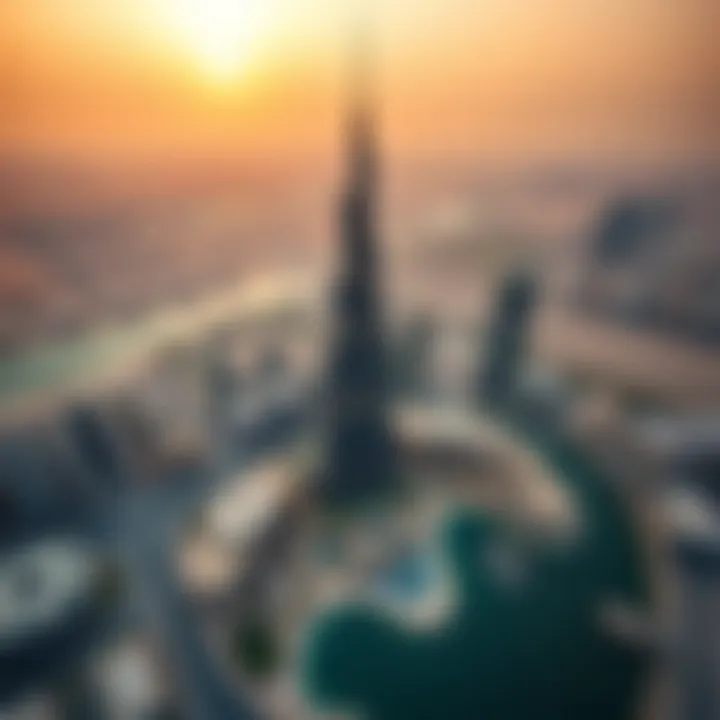
Living Experience in Al Fahad Tower
The living experience in Al Fahad Tower 1 offers unique perspectives on what urban life in Dubai can be like, going beyond just mere residency. The tower is not just an architectural wonder; it embodies a lifestyle enriched with modern amenities, a sense of community, and urban convenience. This elevates the living experience for residents, making it not just about a place to live but about a holistic approach to life in a bustling metropolis. The qualities that make living in Al Fahad Tower 1 special can be dissected into the amenities provided and the dynamics of the community that calls this tower home.
Amenities and Facilities
Recreational Spaces
The recreational spaces in Al Fahad Tower 1 go a long way in enhancing the lifestyle of its tenants. One major aspect is the thoughtfully designed parks and lounges within the property. These areas serve as a refuge from the hectic pace outside, providing residents with green spaces where they can unwind or host gatherings.
"In a city that never sleeps, such spaces feel like a breath of fresh air, offering tranquility amidst chaos."
Moreover, the unique characteristic here is the integration of water features, adding a soothing element to the environment that adds to the overall appeal. This is beneficial because it fosters relaxation and promotes well-being for the residents, making it a highly sought-after choice for those looking to enjoy a harmonious balance in their living environment.
Fitness Centers
Fitness centers within Al Fahad Tower 1 are tailored to meet the needs of health-conscious individuals. These centers are equipped with modern machines, offering a diversity of options for cardio and strength training. A key feature is the availability of specialized classes, including yoga and pilates, attended by professional trainers who cater to different fitness levels.
These facilities present a remarkable advantage—the ability for residents to maintain an active lifestyle without having to leave their home. In an era where health is increasingly prioritized, such amenities are not just beneficial but expected by many. However, access does require a commitment to utilize the facilities regularly.
Security Features
Safety is crucial, particularly in high-rise living, and Al Fahad Tower 1 doesn't fall short in this regard. The tower is equipped with state-of-the-art security features, including 24/7 surveillance and controlled access points. This gives residents peace of mind, knowing that they are in a secure environment that proactively protects them and their belongings.
The standout characteristic of these security features is the role of technology. Advanced alarm systems and integrated smart home technology enhance security measures. While beneficial, it's essential for residents to also remain aware of their surroundings, balancing precaution with confidence in the security measures in place.
Community Dynamics
Resident Demographics
The resident demographics of Al Fahad Tower 1 reflect a rich tapestry of cultures and backgrounds, catering to a diverse group of people, including expatriates, professionals, and families. This diversity adds vibrancy to community life, creating opportunities for cultural exchanges and social interactions. The blend of backgrounds is not simply advantageous for social reasons; it also enhances the tower's reputation as a desirable living choice, attracting a wider array of potential tenants and buyers.
As the world becomes more interconnected, living in such an inclusive environment can foster understanding and collaboration, something that many look for in a community setting.
Social Activities
Social activities within Al Fahad Tower 1 play a pivotal role in fostering community spirit. Regularly scheduled events, such as movie nights, fitness challenges, and holiday celebrations, create platforms for residents to interact and build relationships. A notable aspect is how these activities are often organized by residents themselves, which promotes ownership and involvement.
The advantage of this is the sense of belonging that forms as neighbors become friends, leading to a close-knit community feel. However, it can also pose a challenge for some who may choose to remain isolated and miss out on these enriching experiences.
Neighborhood Integration
Integration with the surrounding neighborhood further enhances the living experience at Al Fahad Tower 1. Its strategic location places residents close to essential services such as schools, hospitals, and shopping centers. The ease of access to public transport and major highways links the tower with various parts of the city, broadening opportunities for both leisure and work.
This integration not only provides convenience but also encourages exploration, as many residents find themselves more active in the local culture and events. The interconnectedness of lifestyle and community ensures that living in Al Fahad Tower 1 is not just about the individual experience but about thriving within the larger fabric of Dubai.
In summary, the living experience in Al Fahad Tower 1 is distinctively marked by its exceptional amenities, community dynamics, and overall convenience. It offers a blend of comfort, security, and sociability, catering well to the expectations of its diverse residents, ultimately creating a desirable living environment in the heart of Dubai.
Global Comparisons
In the realm of architecture and economic vitality, examining Al Fahad Tower 1 alongside similar structures across the globe provides valuable insights. These comparisons not only highlight distinctive design principles but also underline the broader market trends that influence real estate investments. By understanding how Al Fahad Tower 1 stands in relation to similar edifices worldwide, we learn about its unique contributions to both Dubai’s skyline and economic landscape. Such comparisons encourage a deeper appreciation of globalization's impact on urban architecture and the intricacies of property investment strategies.
Similar Structures Worldwide
Architectural Parallels
Al Fahad Tower 1's design echoes principles seen in notable buildings like the Burj Khalifa in Dubai and One World Trade Center in New York. These architectural parallels showcase modern skyscraper trends that favor sleek lines and expansive glass facades. The use of glass not only emphasizes transparency but also allows natural light to permeate the interiors, creating a visually appealing environment that resonates with contemporary tastes.
The benefit of adopting such architectural styles is the boost they provide to a city’s identity. For instance, like the Burj Khalifa, Al Fahad Tower 1 becomes a part of the cultural narrative that defines what modern Dubai represents.
However, this reliance on glass and steel comes with its challenges. Enhanced energy needs for cooling systems due to extensive glass surfaces demand innovative design solutions to mitigate environmental impacts. One unique feature is the incorporation of advanced shading systems that have emerged from these architectural discussions, which can significantly reduce energy consumption in tower environments.
Investment Comparisons
When we look at property markets across the world, the essence of investment comparisons lies in evaluating the potential return on investment from towers like Al Fahad 1 against established global hotspots. Cities like Singapore and London have areas characterized by high demand for luxury apartments, similar to the offerings in Al Fahad Tower 1. The key characteristic that stands out here is the attractiveness of living and working in a centralized location. Investors are drawn to buildings that blend both residential and commercial opportunities.
A notable advantage is the ability to diversify an investment portfolio through exposure to emergent markets. Interest from both local and international investors amplifies demand, thereby defining the property's value. However, the downside lies in market volatility; an economic downturn can greatly affect prices and demand, making the landscape unpredictable for new buyers.


Market Dynamics
Market dynamics surrounding Al Fahad Tower 1 also reveal parallels with global trends in real estate. The principle of mixed-use developments—where residential, commercial, and recreational spaces exist within the same structure—has gained prominence worldwide. This approach optimizes space and provides a holistic living experience.
The significant characteristic here is adaptability. Properties that adjust to evolving market conditions and buyer preferences fare better over time. Al Fahad Tower 1, offering various amenities and high-end finishes, aligns well with this contemporary demand.
Despite its advantages, the unique feature of the Dubai market is the rapid pace of change driven by technological innovations and regulatory shifts, which may create a challenging environment for investors unaccustomed to such dynamics. Therefore, while assessing market conditions, potential investors must remain vigilant, ready to adapt their strategies in response to these fluctuations.
"Understanding global architectural patterns and investment dynamics aids stakeholders in assessing their positioning within the evolving Dubai market. Without this context, one may risk missing out on significant opportunities or fall into common pitfalls."
In summary, examining Al Fahad Tower 1 through the lens of global architectural comparisons, investment prospects, and market dynamics provides a comprehensive understanding of its significance. The interplay between these elements not only shapes the perception of the tower itself but also enhances understanding within the broader scope of the real estate landscape.
Future Prospects
As urban landscapes continue to evolve under the pressures of globalization and the expanding economy, examining the future prospects of Al Fahad Tower 1 offers critical insight into the next chapters of Dubai's real estate narrative. This section underscores not merely the building itself but the broader implications of its presence and further developments in its vicinity. In a city characterized by towering skyscrapers and constant flux, the ability to adapt and anticipate change stands paramount. Therefore, we delve into three important aspects: urban expansion, technological innovations, and changing demographics.
Potential Developments
Urban Expansion
Urban expansion in Dubai is not simply an increase in concrete structures; it reflects a deep-rooted ambition to redefine how cities function. Al Fahad Tower 1, standing as a testament to past growth, is poised to benefit from future developments in its surroundings. An important characteristic of urban expansion is its potential to create mixed-use environments, blending residential and commercial spaces seamlessly. This holistic approach not only fosters community interaction but provides residents with a variety of amenities right at their doorstep.
The unique feature of urban expansion in Dubai is its model of vertical growth instead of horizontal spread. This characteristic enables the city to conserve its surrounding deserts and maintain vital ecosystems while accommodating a growing population. However, the challenge lies in ensuring infrastructure keeps pace with this rapid development.
Advantages of this urban expansion approach include increased accessibility, a boost in local economy, and the creation of livelier neighborhoods that elevate the overall living experience.
Technological Innovations
Technological innovations are reshaping the blueprint of contemporary architecture, and Al Fahad Tower 1 remains at the cusp of this transformation. The integration of smart technology into building management systems represents a significant trend within the construction industry. The implementation of IoT (Internet of Things) devices allows for enhanced energy efficiency and tailored user experiences.
One compelling aspect of these innovations includes intelligent energy management systems that adjust lighting and HVAC based on occupancy. This kind of proactive technology reduces waste and contributes to lower utility costs, extending an enticing prospect to potential investors.
While the disadvantage may be the initial investment needed for these technologies, the long-term savings and environmental benefits make embracing this trend a sound choice for the future.
Changing Demographics
The changing demographics in Dubai play a critical role in shaping future prospects for Al Fahad Tower 1. With a steady influx of expatriates and foreign investments, the demand for modern living solutions continues to grow. Notably, younger generations are drawn to urban centers that provide not only housing but also lifestyle advantages, including proximity to entertainment, culture, and economic hubs.
This demographic shift underscores the necessity for developers to focus on flexibility within living spaces. Apartments that can easily adapt to different family styles or individual preferences hold significant appeal.
Moreover, the influx of diverse cultures fosters a vibrancy that is indispensable for sustainable community building. However, a challenge arises in balancing the needs and expectations of both local residents and newcomers, which necessitates a keen understanding of socio-economic factors.
Closure
In understanding the multifaceted importance of Al Fahad Tower 1, this article brings forth an array of compelling insights. The tower stands not merely as an architectural wonder, but as a beacon of economic vitality within Dubai’s ever-evolving landscape. Its design captures the essence of contemporary architecture while integrating sustainable practices that appeal to modern sensibilities. This serves as a key selling point for potential buyers and investors looking to invest in a piece of Dubai’s futuristic vision.
The historical context surrounding Al Fahad Tower 1 adds another layer of significance. It encapsulates a period of rapid urbanization and cultural transformation in Dubai. Reflecting the aspirations of a city that has positioned itself on the global stage, the tower's role as a symbol of progress cannot be overlooked.
Economically, the tower contributes significantly to the local real estate market. Analyzing property values and rental yield demonstrates how it remains a hot spot for investments. Investors are not just buying property; they're engaging with a growing ecosystem where businesses and lifestyles intertwine, further enhancing the tower’s desirability.
Furthermore, the living experience within Al Fahad Tower 1 enriches community dynamics. It fosters a sense of belonging among its residents through amenities and shared spaces that nurture social interaction. As various demographics coexist here, the tower exemplifies a microcosm of Dubai's diverse population.
Looking ahead, the prospects for Al Fahad Tower 1 are promising. Urban expansion and technological advancements will likely keep the tower relevant and attractive to both residents and investors. The changing demographics will also continue to shape its community, ensuring its place at the heart of Dubai's dynamic future.
In summary, Al Fahad Tower 1 embodies the intersection of architectural greatness and economic significance. It stands as a testament to Dubai’s relentless pursuit of innovation and excellence. Understanding this nexus offers remarkable insights for homebuyers, investors, and analysts who are keen to explore what makes this tower a pivotal component of Dubai's skyline and its economy.
Importance of Reliable Sources
Reliable references enhance the credibility of any written piece. For a subject as multifaceted as Al Fahad Tower 1, integrating resources like academic papers, books on architecture, real estate analysis reports, and industry publications creates a robust framework for understanding its significance.
- Academic Journals: Studies on urban development and architectural innovation provide theoretical backing to our discussions.
- Real Estate Reports: Resources such as those from Knight Frank or JLL offer market insights that clarify economic influences surrounding the tower.
- Local Government Publications: Data from Dubai’s municipal authority helps to contextualize regulatory frameworks and zoning laws that might affect developments like Al Fahad Tower 1.
Benefits of Citing Varied Sources
Citing a range of different types of sources brings several benefits:
- Diverse Perspectives: It allows the inclusion of unique viewpoints, whether from local experts or international analysts.
- Depth of Information: Each source can shed light on various facets—architectural, economic, or cultural—enhancing the richness of the article.
- SEO Optimisation: Including links to reputable sources can improve search engine ranking, making the article more accessible to readers.
Considerations Regarding References
When compiling references, it’s crucial to think through several aspects:
- Relevance: Ensure every source directly pertains to the topic, adding value to the discussion.
- Currency: Use the most recent data or findings; aging information can mislead readers regarding current market trends or architectural designs.
- Accessibility: Where possible, select sources that are easy for readers to access, like government reports or widely available publications.
- Cross-Verification: Cross-reference data when possible; corroborated facts carry more weight and assurance.
"A well-researched article is a treasure trove of insights, grounding readers in the reality of its subject matter."